Gifting has never been easier
Perfect if you're short on time or are unable to deliver your gift yourself. Enter your message and select when to send it.


Popular searches
Featured products
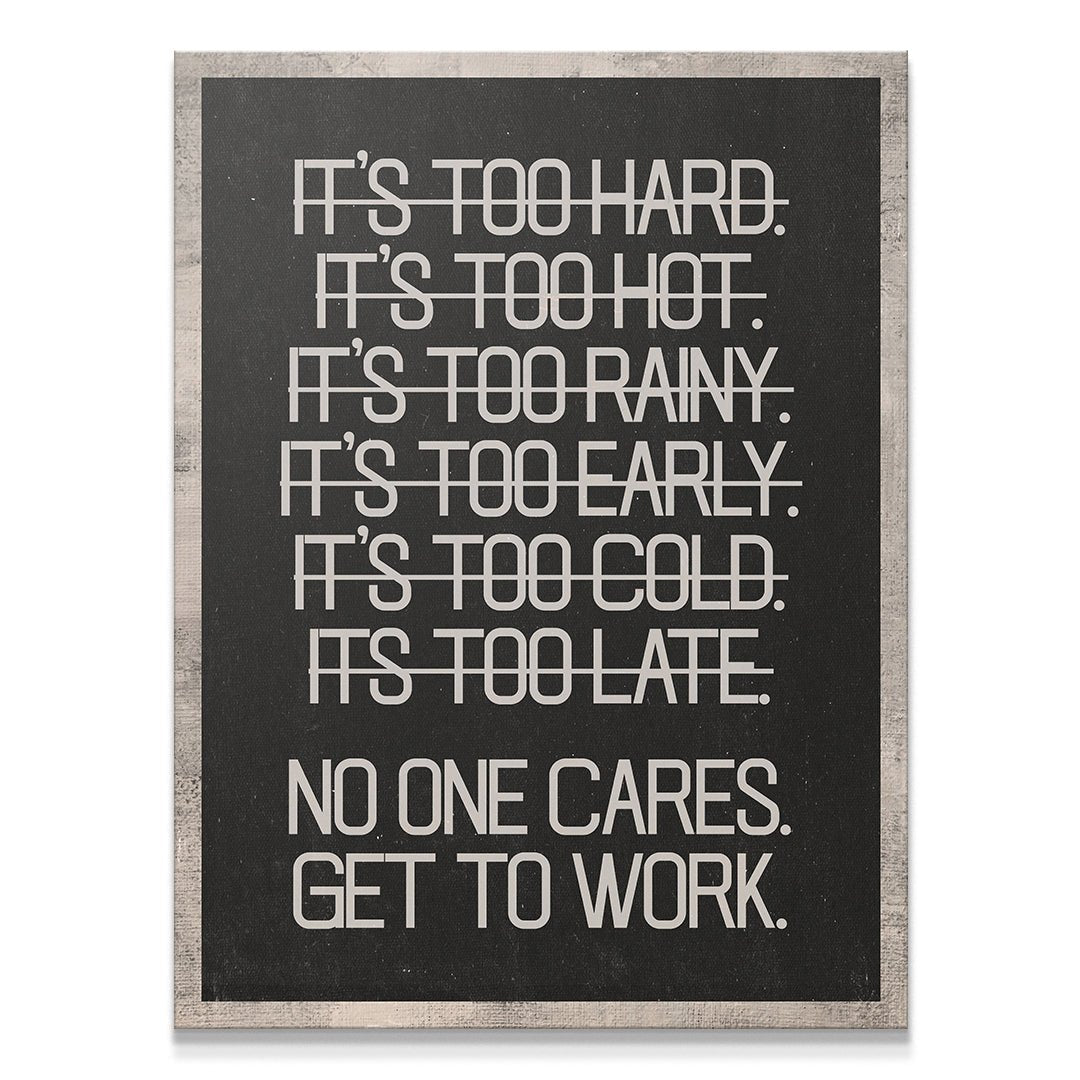
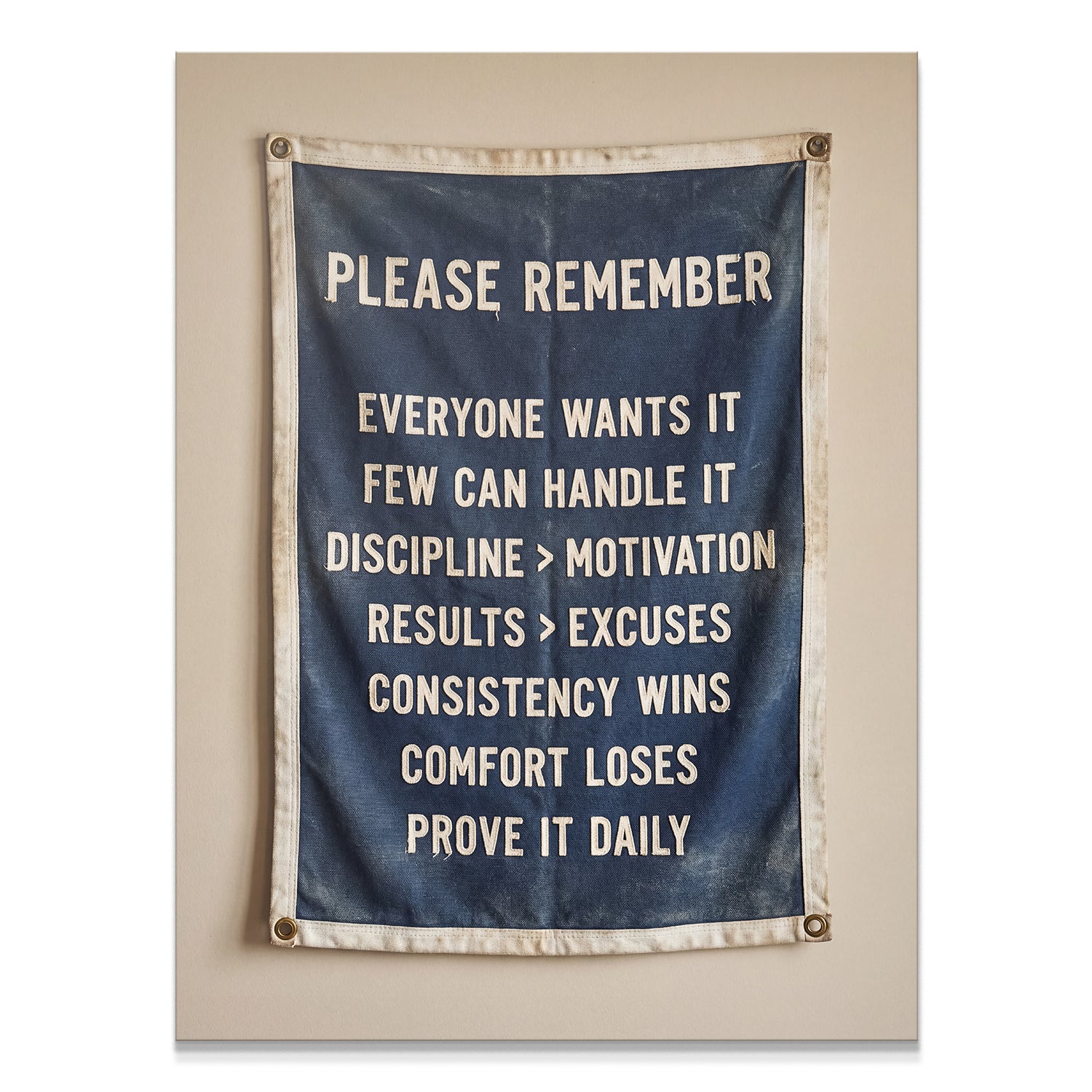
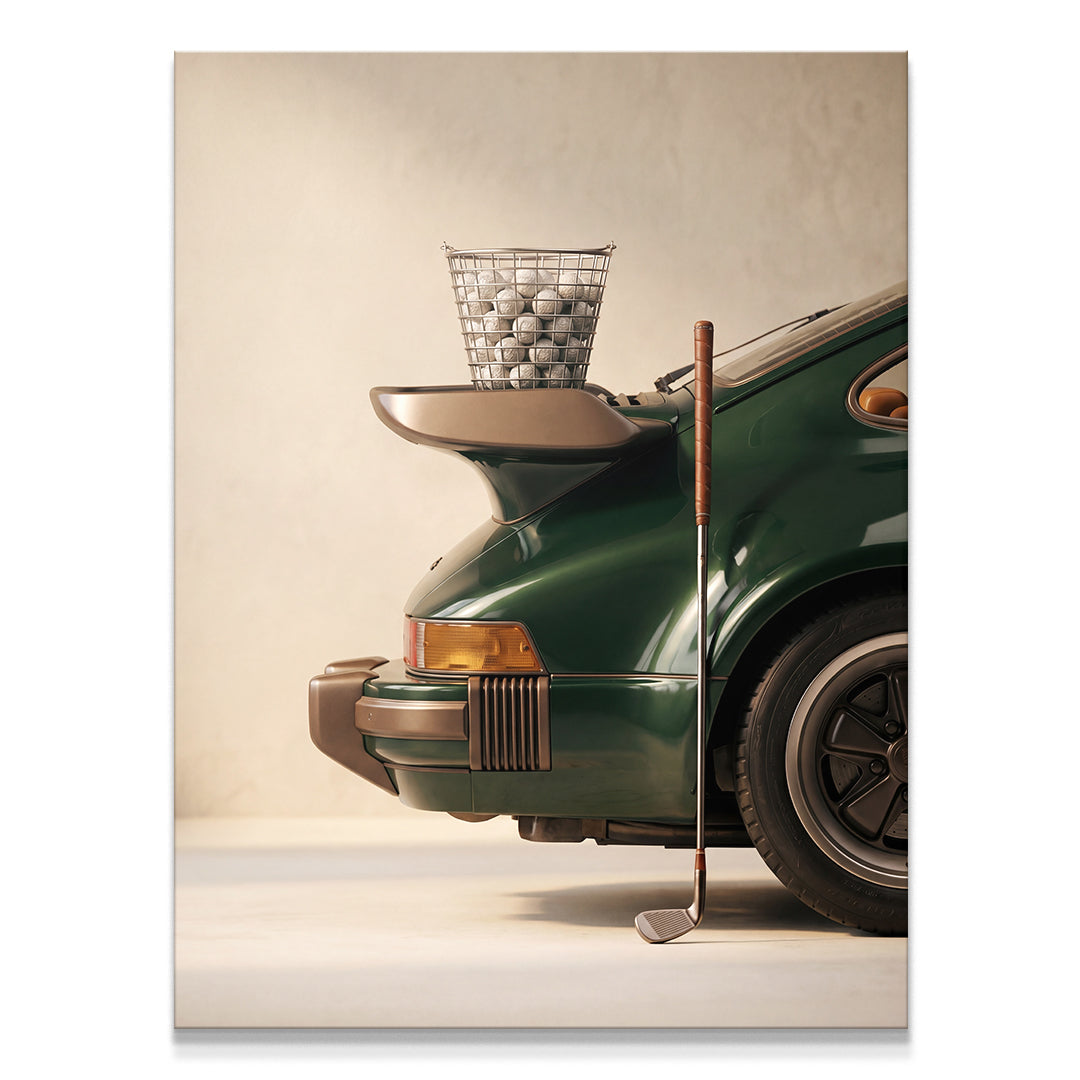
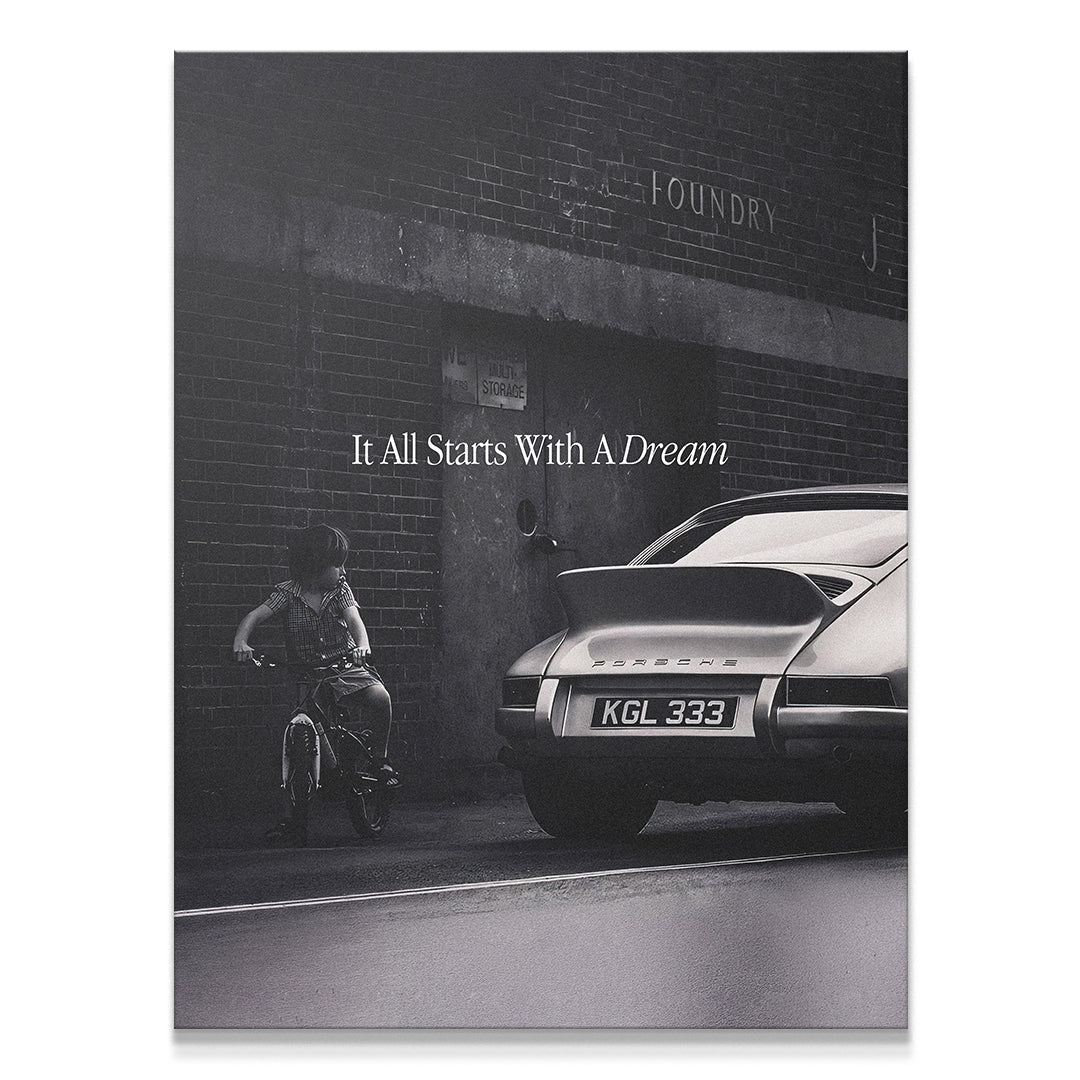


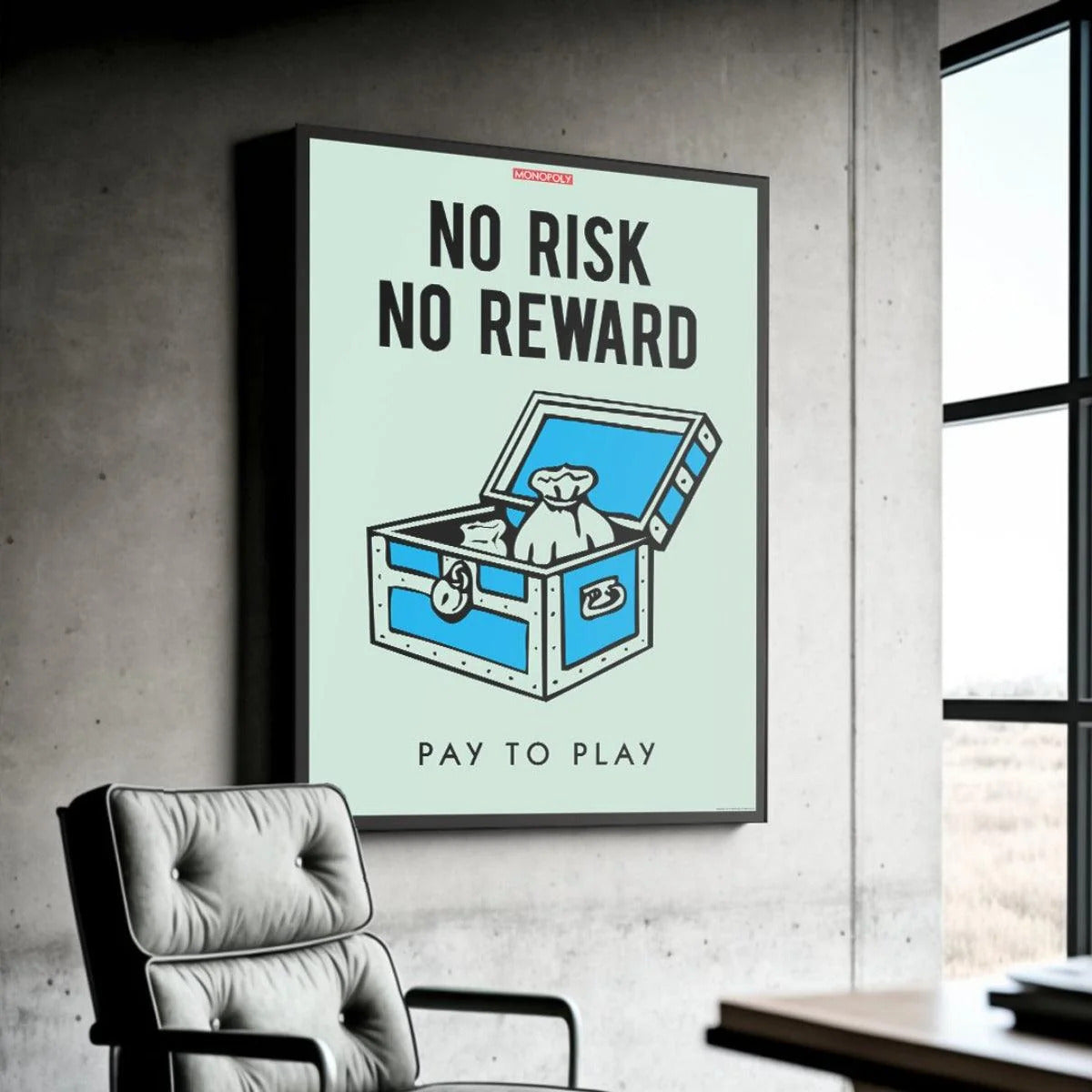
Motivational wall art is more than something nice to fill a blank space. When we use it with intention, it can actually help shape our habits, our focus, and even how we feel when we sit down to work or walk into a home gym. Your walls can become part of your daily system, not just background.
In marketing, people use A/B testing to see which small changes lead to better results. We can do the same with wall art. By testing different quotes, placements, and visual styles, we can see what quietly pushes us toward better choices each day. As an online art brand, we see our gallery-quality, officially licensed prints as a ready-made test library for your home office, living room, or workspace.
In this guide, we will walk through clear, step-by-step ways to use motivational wall art to support real behavior change. Think deeper work sessions, more consistent workouts, or better follow-through on sales calls as summer fades and routines ramp back up.
Our environment nudges us all day long. Where we place objects, how easy they are to see or reach, and what messages surround us all act as quiet signals to our brain. Habit research often calls this choice architecture: we make the good actions just a bit easier and more obvious.
Motivational wall art taps into a few simple psychology ideas:
Priming: When we see a message about effort or focus, it can gently activate that goal in our mind before we even think about it.
Implementation intentions: Short, clear messages can support if-then plans, like “If it is 9 a.m., I start deep work.”
Identity reinforcement: Quote art that points to who we want to be, like “I am the type of person who shows up,” can keep that identity front and center.
Think about a bold execution quote in direct view of your desk. Each time you look up, it reminds you that this is a place for real work, not endless scrolling. Or a perseverance print near a home gym door that catches your eye right at the moment you want to skip a workout. When small wording or design changes affect how we feel, it makes sense to test them with intention so we can see what actually moves the needle.
Before we even pick a print, we should pick a behavior. One clear goal gives us a simple scorecard. As we head into fall, choose a single habit you want to tighten up, like:
Thirty minutes of phone-free, focused work each morning
A short daily journaling session before bed
A consistent shutdown routine at the end of the workday
Next, choose two quotes to test against each other. A handy framework is:
Identity-based quote: speaks to who you are, for example “Be The Last One Working.”
Outcome-based quote: speaks to what you earn, such as “Results Are Earned, Not Given.”
Match the style of quote to your goal. Identity tends to work well for long-term habits like writing, training, or sales activity. Outcome can feel stronger when you are chasing a specific target or deadline.
Here is a simple way to run the test:
Pick one wall in one space.
Use prints of similar size, hung in the same spot, with the same lighting.
Hang Quote A for two to four weeks. Track a single metric, such as:
Minutes of deep work logged,
Number of workout sessions,
Number of outreach calls or emails.
Then switch to Quote B for the same length of time and keep tracking.
Keep the rest of your routine as steady as possible. If your work hours or workout plan change every week, it is hard to know what effect the art had. The goal here is not a lab-perfect study. It is a simple, honest check: which quote lines up with better follow-through?
What you see at the exact moment you are about to act matters a lot. That is where critical moment mapping comes in. You map out the moments when you tend to stall or bail out, like:
Right before opening your laptop in the morning
After lunch, when energy dips and social media calls
Right before changing into gym clothes
Once you spot these points, you can place motivational wall art as a visual interrupter. Some practical tips:
Aim for eye level, inside your natural line of sight during that critical moment.
Avoid hanging powerful pieces in already cluttered areas, or your brain will tune them out.
Use a few strong cues spread across key spots instead of filling one wall with too much text.
You can also A/B test placement itself. Use the same print but change where it goes:
Week 1 to 3: Directly in front of your desk so you see it whenever you look up from the screen.
Week 4 to 6: Behind your monitor or off to the side, still visible but less central.
Or in a home gym, try the entrance wall first, then above the main rack or treadmill. Track the same habit metric each time, like how many workouts you complete or how often you stick to your planned work block.
This works for both home and office as summer ends. Many people refresh their home office walls during back-to-school season to reset their focus. Teams often do something similar in conference rooms as they gear up for a big Q4 push, using shared quotes to support accountability and execution.
The look of the art matters just as much as the words. Different visual styles can prime different mental states.
In general:
Bold typography and high contrast colors can spark energy and urgency. Great for sales areas, noisy offices, or workout zones.
Minimalist, clean designs can support calm focus and deeper thinking. Helpful for writing spaces or creative problem-solving corners.
You can test style without changing the message. Use the same quote in two designs:
Version A: Loud, sharp, high contrast, strong lines.
Version B: Sleek, simple, more open space, softer color mix.
Switch them out over a few weeks and note what happens to your habit metrics. Do you stick to your morning deep work block more often with a calmer design? Do you push harder in the gym when the print feels more intense?
Color can play a role too. Warmer tones like reds and oranges often feel more high-energy and can help wake up a sleepy space. Cooler tones like blues and greens may support steady focus for long stretches. At IKONICK, we design a wide range of motivational wall art so you can experiment with different moods without redoing your whole room.
There is a natural “fresh start” feeling as late summer rolls into fall. School starts up, work gets more serious again, and many of us feel ready for a reset. This is a perfect time to launch your first simple A/B test with motivational wall art.
Here is a quick 30-day action plan:
Week 1: Pick one habit and choose two prints that support it.
Weeks 2 and 3: Hang Print A and track your habit consistently.
Week 4: Switch to Print B, keep tracking, then compare results and lock in your winner.
From there, you can build a small “testing gallery” at home or at the office. Rotate prints a few times a year as your goals shift, and treat your walls as part of your system for focus and follow-through.
At IKONICK, we build officially licensed, gallery-quality pieces designed to push mindset, effort, and execution in real spaces, from home offices to shared work areas. When we treat motivational wall art like a tool instead of simple decor, we let our walls do part of the heavy lifting on the habits that matter most.
Bring your goals to the forefront by surrounding yourself with visuals that keep you focused and inspired. At IKONICK, we create art that turns blank walls into reminders of what you are working toward every day. Explore our collection of motivational wall art to find pieces that match your drive and aesthetic. Start curating a space that pushes you to stay consistent, think bigger, and take action.
Read more

Turn Your Home Gym Into a Motivation Machine A home gym should do more than hold weights and a treadmill. It should help you show up on the hard days, push through slow sets, and remind you why y...
Transform Your Home Office Into a Money Mindset Hub Your home office is not just a corner with a laptop; it is the control room for your income. When kids go back to school and late summer starts...